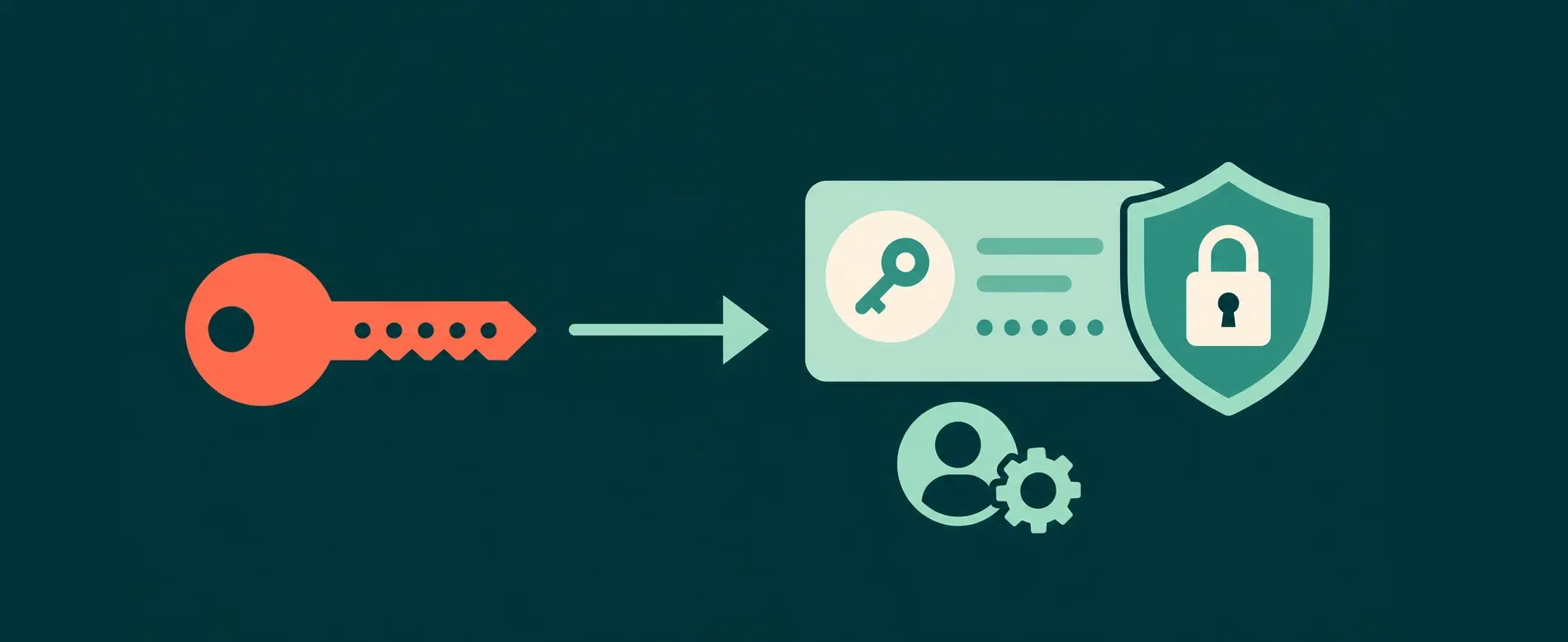
Zendesk is phasing out API tokens as an authentication method. This is an important change for integrations, scripts, applications, and other solutions that connect to the Zendesk API. If your organization relies on API tokens today, you'll need to migrate those connections to OAuth.
OAuth provides stronger security, more granular access control, and a better way to manage authentication for each individual integration.
What is OAuth?
API tokens provide long-lived access to the Zendesk API.
With OAuth, integrations authenticate using short-lived access tokens that can be:
-
limited to specific resources
-
tied to a specific application or integration
-
renewed automatically
-
revoked without affecting other integrations
This gives organizations greater control over API access while improving security and visibility across their Zendesk environment.
Does this affect your Zendesk account?
You may be affected if you have integrations or custom solutions that:
-
read or update Zendesk tickets
-
synchronize data between Zendesk and other systems
-
generate reports or dashboards
-
run automated scripts
-
use third-party applications or custom integrations
-
use webhooks that call the Zendesk API
If none of your integrations authenticate with the Zendesk API using API tokens, you typically don't need to take any action.
What should you do next?
1. Inventory your integrations
Identify the integrations, applications, scripts, and webhooks that connect to your Zendesk account.
2. Check how they authenticate
Review each integration to determine whether it uses API token authentication.
3. Identify the owners
You may need to involve your internal developers or external vendors who built or maintain these integrations.
4. Plan your migration
The migration can be completed gradually. Test each integration after migrating it to OAuth before disabling its API token.
What about webhooks?
Webhooks should be evaluated based on how they're implemented.
Some webhooks from external systems can be migrated to OAuth. Others may be better suited for Action Flows, while some implementations may require middleware to manage authentication and token renewal.
For that reason, we recommend reviewing your webhooks separately as part of your migration plan.
Key dates
July 28, 2026
API tokens that haven't been used for 30 days will be automatically deactivated.
October 27, 2026
It will no longer be possible to create new API tokens.
April 30, 2027
All remaining API tokens will be permanently disabled.
We recommend starting your migration well in advance. API tokens and OAuth can be used in parallel until April 30, 2027, allowing you to migrate integrations at your own pace.
How Kundelab can help
If you're unsure which integrations use API tokens or how to approach the migration, we're here to help.
Our team has extensive experience with Zendesk integrations and can support both the planning and implementation of your migration.
We can help you:
-
identify where API tokens are currently being used
-
determine the right OAuth approach for each integration
-
migrate integrations and custom scripts
-
review existing webhooks
-
test and troubleshoot migrated solutions
-
work alongside your internal developers or external partners
Whether you need help assessing your current setup or planning the migration, we're happy to help.
Read Zendesk's migration guide